
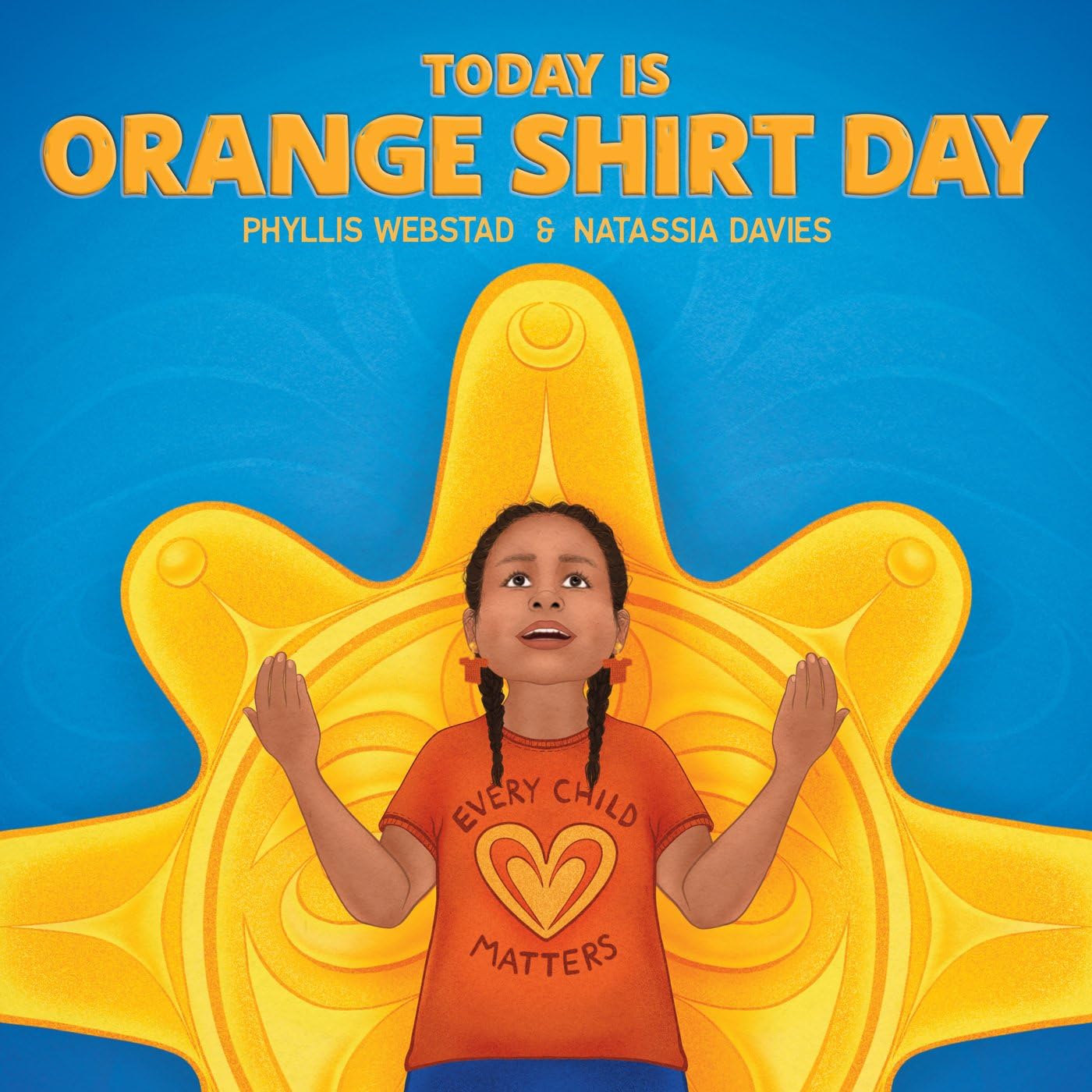
Two years ago this week on Indigenous People’s Day, I preached a sermon to you from your pulpit which was intended to highlight the significant differences between how Canada and the United States recognize the harm they inflicted on the peoples of their First Nations (indigenous populations). In that sermon, I focused on a then-current news story about the suspected discovery of 200 unmarked graves near the Kamloops Indian Residential School in British Columbia. You may recall I wore an Orange Shirt and we read a story from a book about Orange Shirt Day (pictured) that day because in Canada, it was “Orange Shirt Day”, a day set aside to remember the victims of the residential schools.
It brings me great joy to report that since the time of that sermon, researchers have been excavating the site and to this point, have not been able to find a single unmarked grave or buried child. The Kamloops gravesite story appears to be panning out as a false positive by a respected anthropologist.
The failure so far to unearth the suspected mass grave also brings other folks great joy but for different reasons. These so-called “Residential School Deniers” claim that tales of the indignities of the residential schools and the harm they inflicted on Canada’s First Nations and their people are at best exaggerated and at worst, flat out lies. They hold that this story and stories like it are all part of an undercover conspiracy to blemish Canada’s good name.
Unfortunately, one of the most common responses to the failure to find the graves has been to brand the Kamloops graves story using the word “fake”. I would like to caution against the framing of the story using this word because it feels a lot like a statement of support for the misguided views of the deniers.
I would like to urge us to be very clear and very intentional about the residential schools and comments about the story about them being “fake”.
The residential schools were undeniably real. They undeniably did harm to Canada’s First Nations, harm that it is not possible to undo.
The fact that the Kamloops gravesites thankfully appear (so far) to be nothing more than abnormal terrain formations does not make the story “fake”; nor does it do anything to reverse, deny or mitigate the damage done to Canada’s First Nations by the residential schools.
For me, the fact that there was so much excitement around the Kamloops gravesite story stands as testaments both to its believability and to those Canadians who cared to look into it further. Writing it off as “fake” diminishes both its believability and the level-headed response to yet another in a long line of stories from what is still a very open wound in Canada’s history. The deniers want to close the wound and let the stories of the residential schools slide into history’s oblivion, not because its the right thing to do, but because its the easy thing to do.
The best things in life are rarely the easy ones.
It’s election season again. Unlike most people, I was born and raised in New Hampshire; home of the first Presidential primary. By the time the primaries make their way [...]
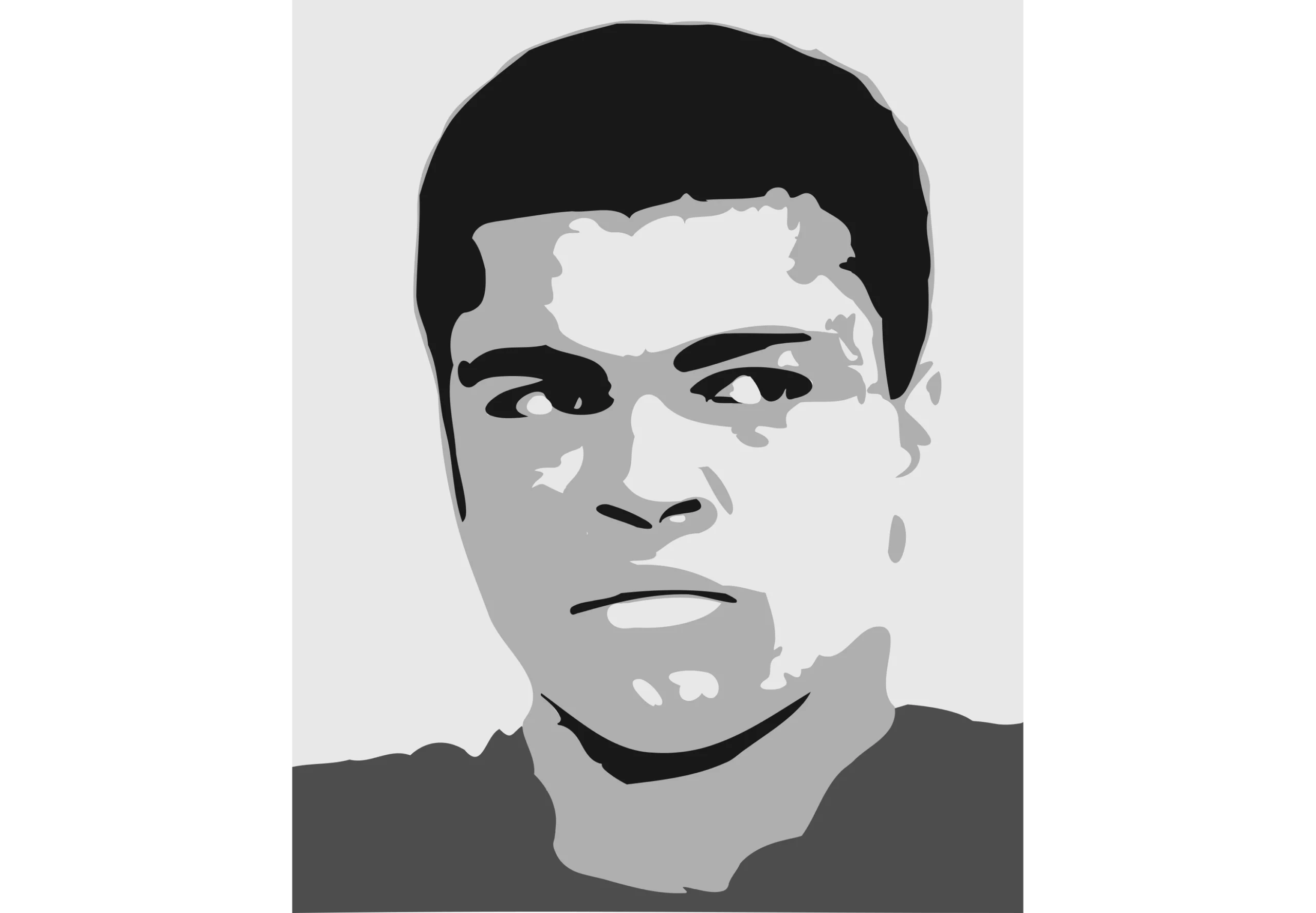
Muhammad Ali (Cassius Clay) died ten years ago today. Its hard to believe it’s been that long. Seems like just a few months ago. I remember when he died, there [...]
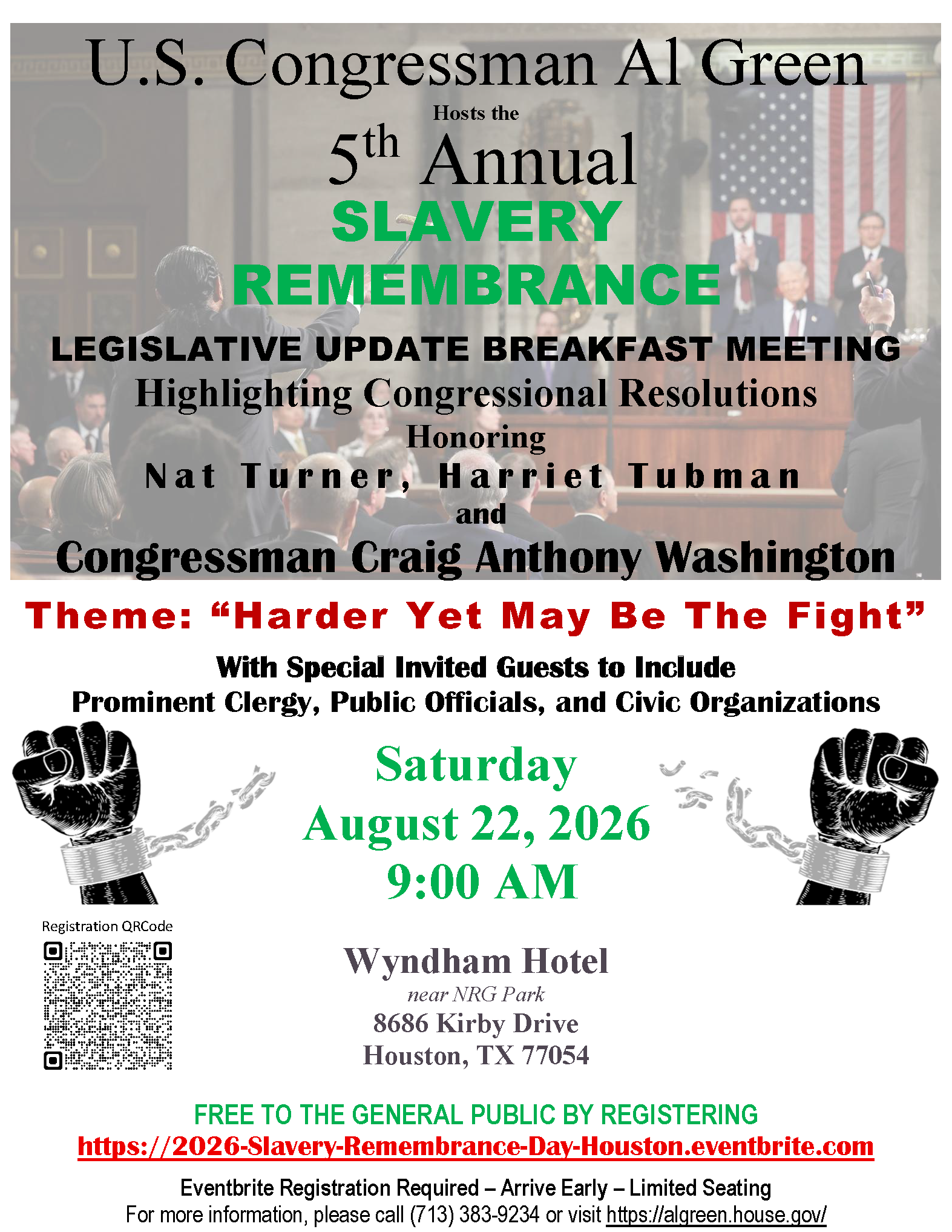

 SAVE THE DATE!